8 Tips for Walking Pets on Hot Days
Walking your companions requires extra care during the warmer months to keep them safe, comfortable, and stylish. Here are eight detailed tips to ensure your summer strolls remain a “treasure” for both you and your pet:
1. Time Your Walks Wisely
Avoid the peak intensity of the sun, typically between 10:00 AM and 4:00 PM. Instead, schedule your primary exercise for the early morning or late evening. These “golden hours” provide a much cooler atmosphere and prevent the sun from beating down directly on your pet’s back, reducing the risk of sudden fatigue.
2. The Seven-Second Pavement Test
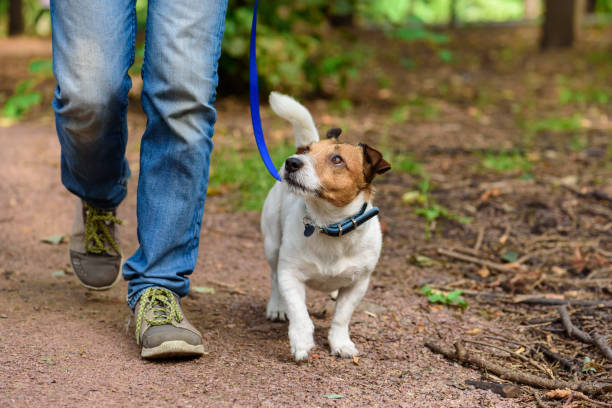
Before stepping out, place the back of your hand firmly on the pavement for seven seconds. If it is too uncomfortable for you to hold it there, it is far too hot for your pet’s sensitive paw pads. On these days, prioritize walking on lush grass or sticking to well-shaded forest trails where the ground temperature is naturally regulated.
3. Elegant Paw Protection
For the urban explorer, consider high-quality protective booties to shield paws from scorching asphalt and abrasive surfaces. If your pet prefers a more natural feel, applying a nourishing, pet-friendly paw balm creates an invisible barrier that helps prevent burns while keeping their pads hydrated and healthy.
4. Sophisticated Hydration Strategies
Always carry a portable water dispenser or a collapsible bowl to offer frequent breaks. High-energy pets and smaller breeds often require more frequent sips to regulate their internal temperature. Don’t wait for them to signal thirst; proactive hydration is the best defense against heat exhaustion.
5. Seek Out Shaded Sanctuaries
Plan your routes through “green corridors”—tree-lined streets, local parks, or canopy-covered paths. Shade can drop the ambient temperature significantly, providing a much-needed reprieve from the sun’s glare and helping to keep the walking surface significantly cooler.
6. Vigilance for Overheating
Stay attuned to your pet’s body language. Watch for signs such as excessive, heavy panting, dark red gums, lethargy, or a wide, flattened tongue. If you notice any of these symptoms, move to a cool area immediately, offer water, and seek professional veterinary guidance to ensure their well-being.
7. Curate Shorter, Quality Outings
On particularly sweltering days, trade the long trek for several brief, leisurely strolls. Focus on the quality of the “sniffari”—allowing them to explore their surroundings mentally—rather than physical distance. This provides necessary stimulation without the risk of overexertion in the humidity.
8. Extra Care for Brachycephalic Breeds
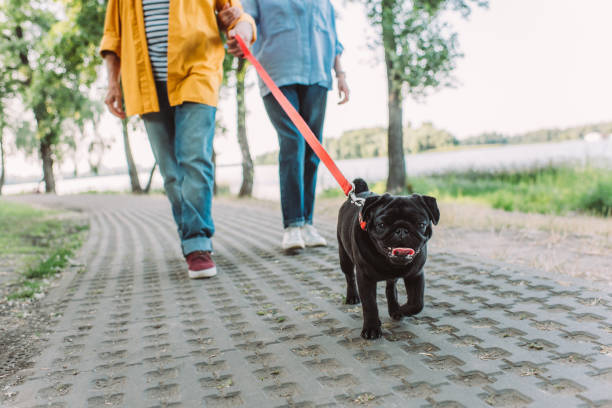
Pets with shorter muzzles, such as Bulldogs or Pugs, have a harder time cooling themselves through panting. These “flat-faced” friends are significantly more susceptible to heatstroke. Be especially conservative with their exercise in the heat, opting for very short outings or engaging indoor play until the temperature drops.
Note: Your pet’s safety and comfort should always remain the top priority. When the heat is extreme, it is perfectly fine to skip the walk and enjoy some air-conditioned bonding time instead.
Disclaimer: This post may contain affiliate links to post-related products in our store. If you click the link below it will take you to the item listed. I may receive a commission, at no extra cost to you, if you make a purchase. The opinions are always my own. Always consult a veterinarian for medical diagnosis or treatments. Thank you for your continued trust & support!
Read our article about Summer Pet Safety Tips