
Top Kitten Care Questions Answered!
Bringing a new kitten home is exciting; however, it also comes with a lot of questions! If you’re a first-time kitten owner, you’re likely searching for the best ways to care for your furry friend. In this guide, we’ll answer the most frequently asked kitten care questions so that you can raise a happy, healthy kitten.
1. What Supplies Do I Need for My New Kitten?
Before welcoming your kitten, make sure you have these essential kitten supplies ready. Specifically, you should prepare:
- Litter box & litter: Choose a kitten-friendly, low-dust litter because their lungs are sensitive.
- Food & water bowls: Opt for shallow dishes or stainless steel bowls to avoid whisker fatigue.
- Kitten food: High-quality, protein-rich kitten food is essential for growth.
- Scratching post: This helps prevent furniture damage while keeping their claws healthy.
- Cozy bedding: A soft spot for naps is a must for a growing kitten.
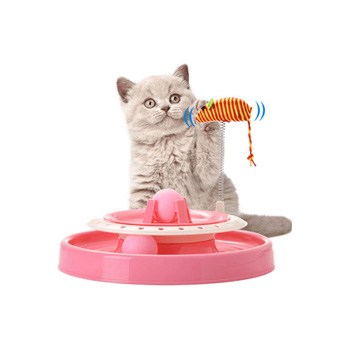
- Toys: Interactive toys help with exercise as well as mental stimulation.
- Carrier: This is vital for safe trips to the vet or travel.
2. When Should My Kitten Get Vaccinated?
Vaccinations are crucial for a kitten’s health since their immune systems are still developing. Therefore, your kitten should follow this schedule:
- First vaccines: Administered at 6–8 weeks old.
- Boosters: Given every 3–4 weeks until 16 weeks old.
- Core vaccines: Includes FVRCP to protect against common feline viruses.
- Rabies vaccine: This is usually required by law for all pets.
3. How Do I Litter Train My Kitten?
Litter training is usually easy; nevertheless, consistency is key. Here are some proven tips:
- Placement: Place your kitten in the litter box immediately after eating and waking up.
- Accessibility: Use a low-sided box so that they can climb in easily.
- Location: Keep the box in a quiet, private space. Additionally, make sure to clean it daily to encourage use.
4. What Should I Feed My Kitten?
A kitten’s diet is vital for their development. Because they grow so quickly, you should:
- Choose High-protein food: Stick to wet or dry kitten-specific formulas. Choose a never-recalled brand like Life’s Abundance.
- Schedule Meals: Feed 3–4 small meals daily until they reach 6 months old.
- Hydrate: Always provide fresh water. Furthermore, you should avoid cow’s milk, as it often causes digestive issues.
5. How Can I Help My Kitten Adjust?
Moving to a new home is stressful for kittens; consequently, they need a slow introduction. You can help them adjust by:
- Creating a safe space: Provide a dedicated room with their bed, litter, and food.
- Patience: Introduce them slowly to new rooms and family members.
- Comfort: Use toys and pheromone sprays in order to reduce anxiety.
6. When Should I Spay or Neuter My Kitten?
Most vets recommend spaying or neutering at 5–6 months old. Moreover, this procedure offers several benefits:
- Health: It lowers the risk of certain cancers.
- Behavior: It reduces spraying and territorial behaviors. Ultimately, it prevents unwanted litters and helps your pet live longer.
7. Why Does My Kitten Purr?
Purring usually means your kitten is happy; however, it isn’t always about contentment. They may also purr:
- When nervous: Some kittens purr to self-soothe.
- For attention: Similarly, they may purr when they want food or cuddles. Pay attention to body language to understand their specific needs.
8. How Can I Stop My Kitten from Biting?
Kittens explore with their mouths; consequently, they need to learn boundaries. Stop bad habits by:
- Redirecting: Use a toy instead of your hands for play.
- Feedback: Say “ouch” and stop play when they bite. As a result, they will learn that biting ends the fun.
9. Do Kittens Need Regular Vet Visits?
Yes! Early vet care leads to a long, healthy life. In addition to initial shots, your kitten should see the vet for:
- Checkups: Scheduled every few weeks while they are young.
- Procedures: This includes deworming and spaying/neutering. Afterward, switch to annual wellness exams as they grow.
10. Is Pet Insurance Worth It for Kittens?
Many owners get pet insurance because it covers expensive vet bills. Specifically, it helps with:
- Accidents: Unexpected injuries or emergency surgeries.
- Illnesses: Coverage for chronic conditions. Therefore, comparing plans early is the best way to find affordable coverage.
Final Thoughts
Being a kitten parent is rewarding, and with the right care, your little furball will thrive! By addressing these top kitten care questions, you’ll set your new pet up for a happy, healthy life.
Looking for more kitten care tips and pet products? Check out our pet supplies at The Modern Pet USA!
 Have more kitten questions? Drop them in the comments!
This post may contain links to products/services. If you make a purchase we may receive a commission at no added cost to you.